Counterprogramming: Montreal Critics' Week 2026
The Montreal Critics' Week provides a glimpse at how festivals can create alternative spaces to engage with films compared to their high profile counterparts

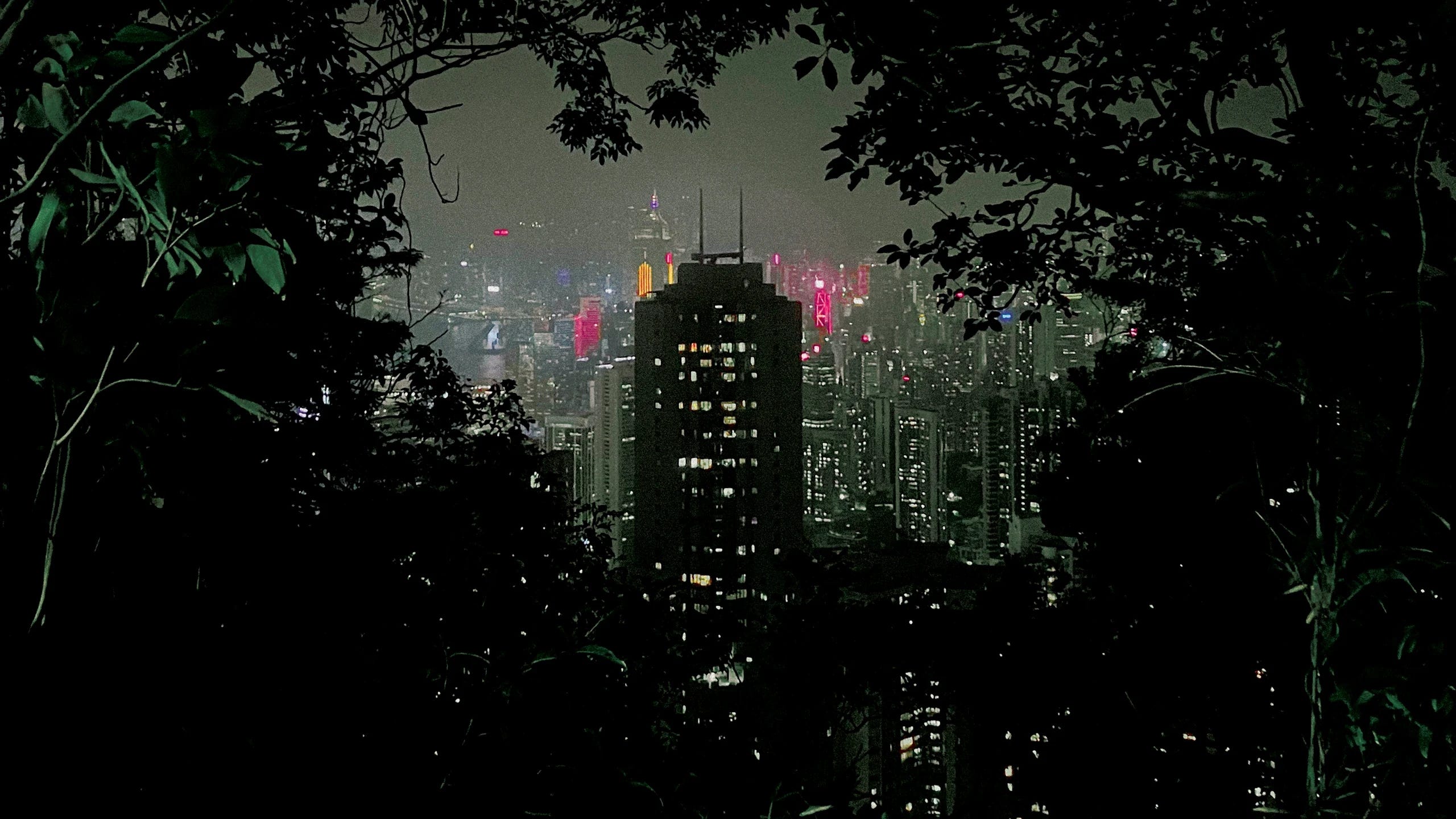
Last year, when the Montreal Critics’ Week kicked off its first edition (also the first Critics’ Week in Canada, as this type of event is more commonly attached to film festivals in Europe), I interviewed festival programmers Mathieu Li-Goyette and Ariel Esteban Cayer to learn more about their philosophy behind their curation and the festival’s format, which took inspiration from the Berlin Critics’ Week in grouping films together with lengthy post-screening discussions by filmmakers, critics, and guests from Montreal’s arts community.
The Montreal Critics’ Week’s approach, which Li-Goyette described as putting the “curatorial gesture of programming” at the forefront, represents a glimpse at what smaller, regional festivals can offer as an alternative to the passive, consumption focused nature of bigger film festivals. The discrete nature of hopping from one festival screening to the next, looking at each feature independently of the others, is nowhere to be found here. Each night demands active participation and interaction, encouraging viewers to think critically rather than watch, react, and move on.
Looking at some of the features making up this year’s selection, the Montreal Critics’ Week provides a more interesting glimpse at cinema in the past year than cobbling together critical consensus picks or major award winners from the festival circuit. Even the highest profile film in the lineup, the Cannes selected Magellan by Lav Diaz, provides a strong counternarrative of its subject that highlights the arrogance driving his doomed quest to explore and conquer. And while Magellan is Diaz’s most “accessible” film to date, with a sub-three hour runtime, gorgeous colour cinematography by Artur Tort, and the star power of Gael Garcia Bernal in the title role, it still couldn’t get Diaz the Competition slot at Cannes he likely hoped to get (Diaz has competed in Berlin and Venice, and took home the top prize at the latter fest in 2016, but has yet to compete at Cannes). The film ultimately landed in Cannes Premiere, a section out of competition the festival uses to dump films they don’t want other festivals taking from them.
Other films in this year’s programme suggest a conscious effort to highlight filmmakers carving out small, singular spaces in cinema. The Argentinian filmmaking collective El Pampero Cine has steadily built a devoted following of cinephiles over the years, and they continue to exist as an anomaly in world cinema with Alejo Moguillansky’s Pin de Fartie. Pulling from Samuel Beckett’s play Endgame, Moguillansky and other El Pampero Cine members approach the source material with an inviting playfulness, creating self-aware variations on the text that includes documenting their own process making the film.
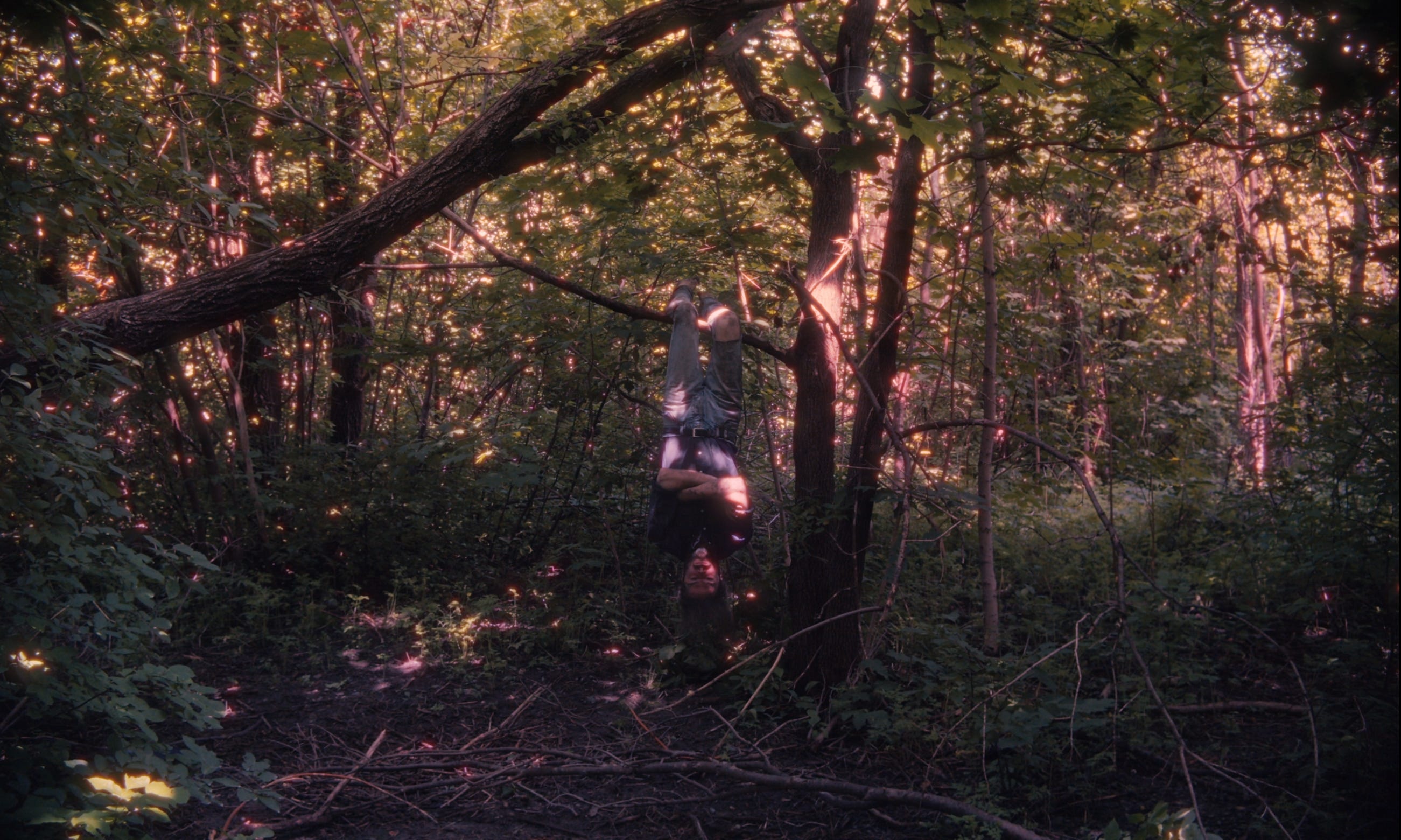
Opening night feature Cauchemar Conseil by Renaud Després-Larose and Ana Tapia Rousiouk confirms the duo as two of the more exciting names to emerge from Canadian cinema this decade after 2022’s underseen and underrated The Dream and the Radio. Its story of a PhD student figuring herself out over a summer in Montreal includes a forest-dwelling shaman, an eccentric musician, an unfaithful thesis advisor, and a sleepwalking protagonist that allows the film to hop from reality to fantasy and surrealism at any time. Within the context of contemporary Canadian cinema, the openness and experimentation by Després-Larose and Rousiouk is a breath of fresh air, letting their story evolve in unexpected and delightful ways that makes other recent Canadian features look stuffy and rigid in comparison.
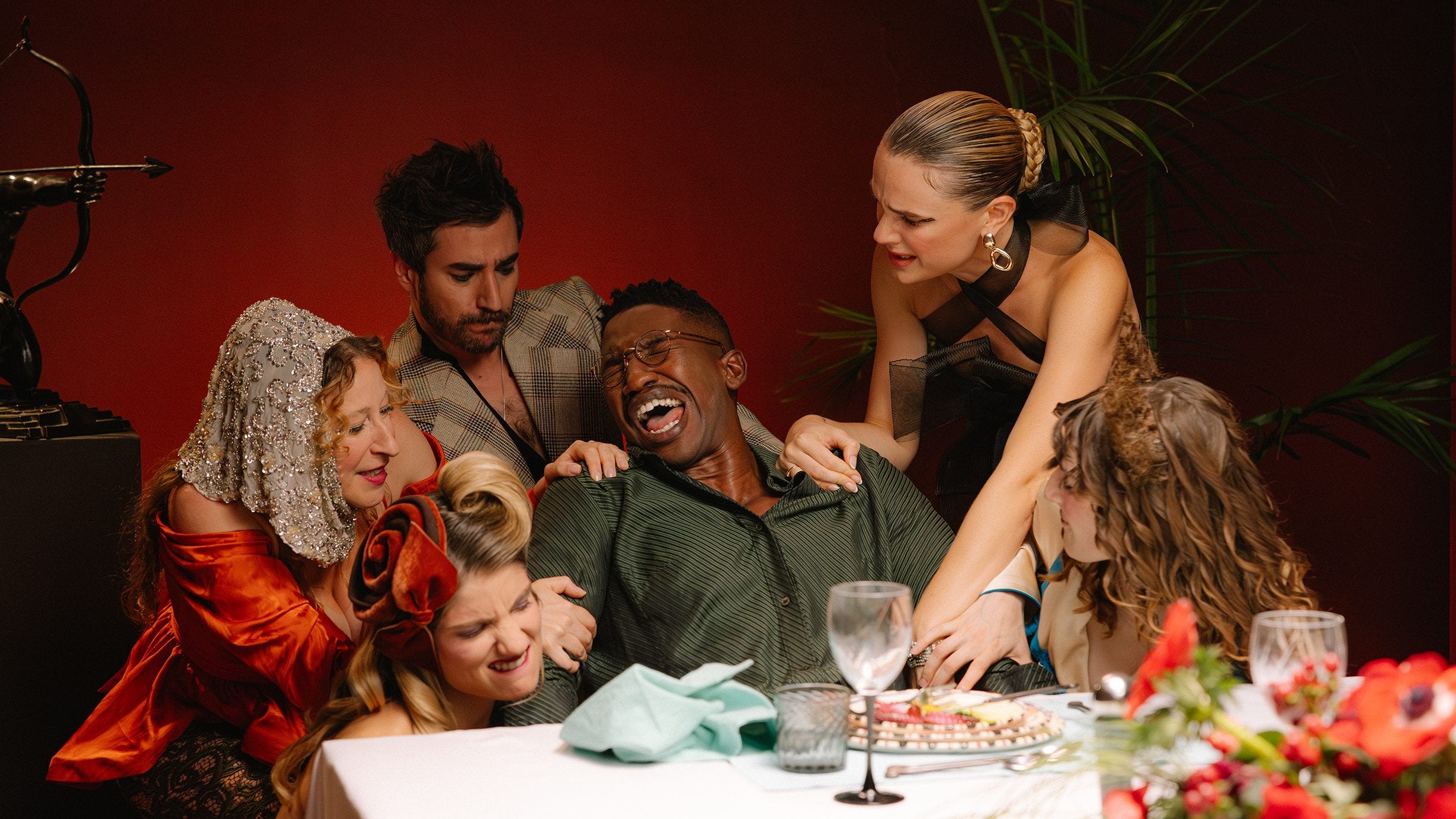
The two US features in this year’s Critics’ Week, Amanda Kramer’s By Design and Caroline Golum’s Revelations of Divine Love, showcase artists who appear to have a harder time getting recognized in their home country. By Design, Kramer’s sixth feature, was her first to premiere at Sundance, which felt like an overdue acknowledgment of an American independent filmmaker who’s managed to make a name for herself outside of a festival designed to platform people like her (Kramer had a retrospective in 2022 at Rotterdam where she premiered two new features, three years before By Design premiered). But Kramer’s style – all campy artifice and theatricality owed to older, avant-garde influences other US filmmakers don’t have the same interest in – doesn’t make for a nice fit with the usual fare Sundance likes to show. The film, where Juliette Lewis plays a woman so distraught over being unable to buy a designer chair she transfers her soul into the chair, uses the literal objectification of its high concept body swap to explore ideas around desire and envy, with a few shots against the low hanging fruit of pretentious art world types peppered throughout.
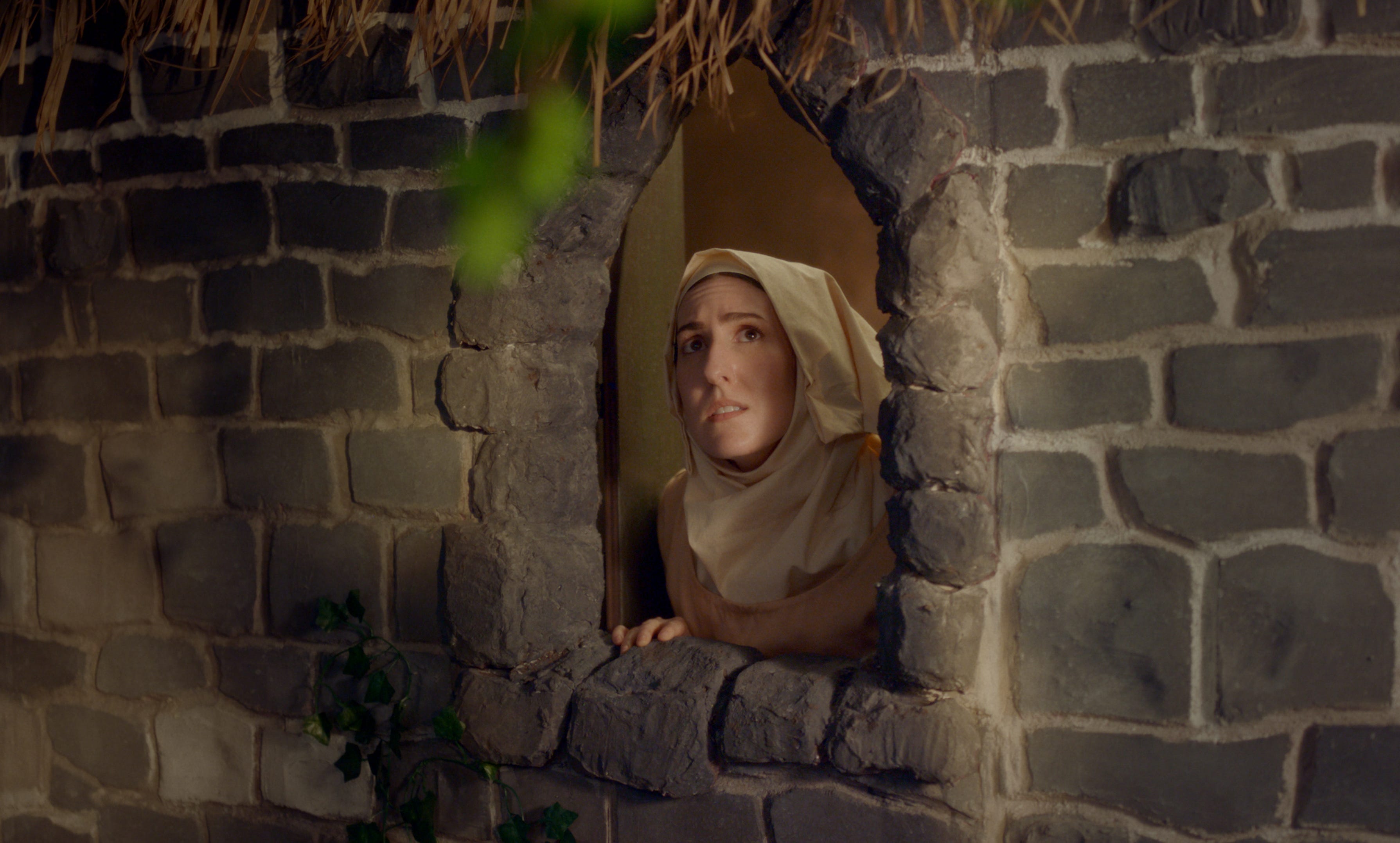
Revelations of Divine Love shows an example of a new, American indie that’s so out of step with the current landscape it’s understandable that, as I’m writing this, it hasn’t even screened in the US yet (it premiered at FIDMarseille in France last summer). Golum bases her film around Julian of Norwich, who lived in 14th century England and wrote what is now the oldest surviving text written by a woman. Her writings came from a series of religious visions she had while recovering from an illness that made her become an anchoress, locking herself in a small room for the rest of her life where she dedicated herself to writing about her experiences.
Much of Golum’s film comes across as a deliberate effort to sidestep cliches and common elements from American indies, whether it’s the hand-crafted and painted sets and miniatures or the anachronisms seen all over from casting to the electronic score. What stands out the most is Golum’s total sincerity regarding Julian and her beliefs. And by forcing viewers to focus on Julian and the strength of what she believes in, as well as focusing on people who support or seek help from her, Golum’s direct engagement with faith and spirituality is a welcome outlier.
Julian’s own act of devout creation through her writing has its similarities with filmmaking (or, more broadly, the artistic process no matter which medium), a connection that Golum makes evident. I found myself more interested in the contrast of Julian’s devotion and selflessness compared to the individualist lens we see from storytelling today. Golum looks at the past in the present tense, but not in the sense of immersion or escapism where we feel like we’re witnessing the 1400s as they were. In fact, the lo-fi charms of the production design gradually become reminders that the historical details usually fussed over in period pieces are long decayed or destroyed. But Julian’s writing, an act of faith that she would never see a material benefit from in her lifetime, still exists today. A closing title card points out that little is known about Julian’s life and, had she not written, there would have probably been no evidence of her existence. Revelations of Divine Love offers a refreshing perspective in finding parallels with our current moment through the stark differences between our own quest for comfort and satisfaction and Julian’s sacrifice for a cause bigger than herself.
Pay attention to the festival circuit long enough and you eventually become aware of the invisible barriers of taste that’s come to define the kind of fare certain festivals prefer to invite (and, in a sad example of the chicken vs egg debate, probably influence the kinds of films that get made in the hopes of appealing to these festivals). Maybe it’s a case of familiarity breeding contempt, but smaller festivals like this one don’t have to be iterative also-rans of whatever might be “buzzy” in a given year. There’s ample opportunity to try something different, to dig deeper to try and engage with films beyond the screen in ways that higher profile events don’t.